Home / Print A Tree / Fruit trees in Morocco
A Print A Tree Project · Morocco
Saving Morocco’s native fruit trees. A nursery for all ten local kinds of fig.
This project set out to grow 400,000 native fruit trees in a nursery in northern Morocco and give them to farming families, to keep old local varieties from dying out.
- Trees funded by Printlogik
- 80
- UN global goals supported
- 4
- Ouezzane, Morocco
- 34.8°N, 5.8°W
In short
- Where: Ouezzane province, in the Tetouan-Tangier-Al Hoceima region of northern Morocco.
- What: A tree nursery raising native fig, carob, peach, pear and plum trees for local farmers. Ecologi lists the project as previously funded.
- Who: The High Atlas Foundation, a Moroccan association and non-profit, with the farmers who plant and tend the trees.
- Why: Local fruit varieties are in steep decline and some are already extinct. Growing them again protects them and gives rural families an income.
Why northern Morocco
The Tetouan-Tangier-Al Hoceima region is in the north of Morocco. Families there have grown their own local kinds of fig, carob, olive, plum, pear, peach and grape for generations. Those varieties are now in steep decline, and some have died out altogether.
Fruit growing matters here. Ecologi’s page says it covers 11% of the region’s farmland. But harmful farming methods have worn out the soil and polluted the land around it. As a result, half of the region’s ancient fig varieties are losing their genetic strength and could be lost.
Many small farmers also lost a great deal of income during the Covid crisis, because they relied on large international companies for seeds and fertiliser.
The nursery is in Ouezzane province. A 2014 census found that 39.9% of people there could not read or write, rising to 43.7% in rural areas.
Why these trees
The project grows native fig, carob, peach, pear and plum, with most weight on local figs and carob. There are three reasons.
- They suit the land. Local varieties need less added to the soil and less upkeep, so they can be grown organically.
- They help everything around them. Fig is a keystone species here. It feeds the soil, holds water and draws in local pollinators.
- Variety is a defence. Trees are chosen using genetic analysis so that the mix is as wide as possible. That guards against disease and a changing climate.
Who does the work
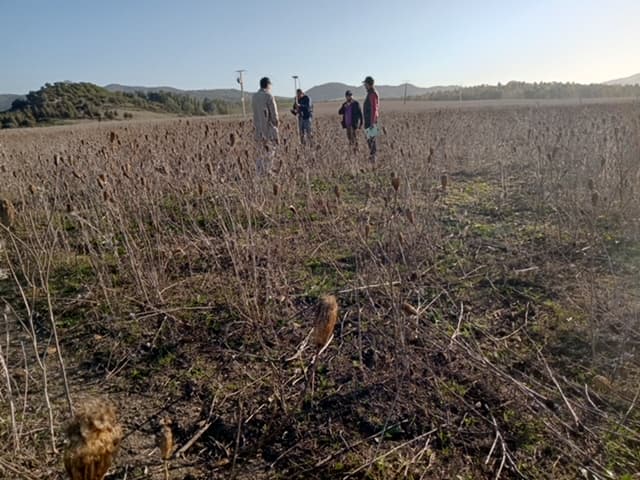
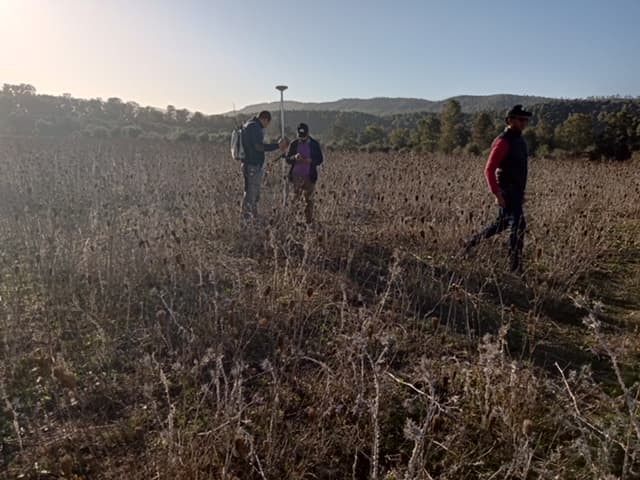
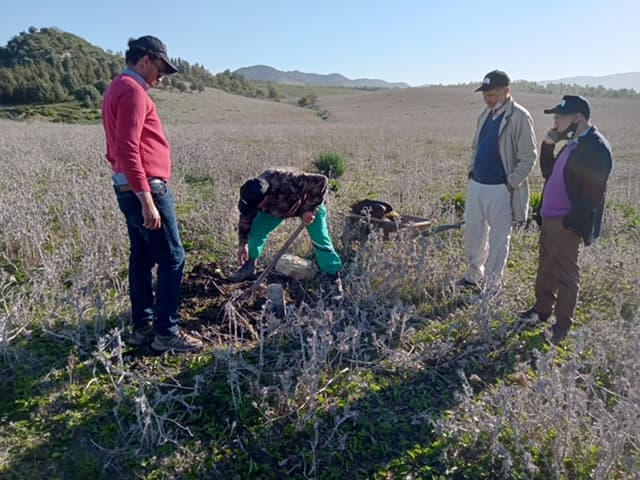
The planting partner is the High Atlas Foundation, known as HAF. It is a Moroccan association and a non-profit registered in the United States, founded in 2000 by former Peace Corps volunteers.
HAF starts each project by talking with the whole community, across ages, incomes and backgrounds, and builds its plans from what people say they need. Its tree projects are managed by the people who plant, water, harvest and earn from the trees.
Women are a large part of this. HAF runs four-day workshops for women and girls on rights and confidence, alongside workshops for men. Setting up fruit tree nurseries lets women register and run their own co-operatives and earn a wage.
The plan on record
Ecologi now lists this project as “previously funded” and no longer takes contributions for it.
It is important to be clear about what the page does and does not say. It was written as a plan and has no later updates, so we cannot report how many trees were grown or handed out. Everything below is what the project set out to do.
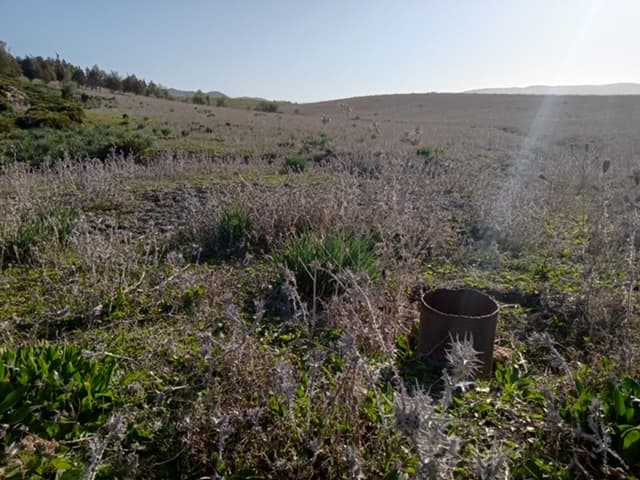
The regional water and forests department lent four hectares in Zefrioune, in Ouezzane province, for the nursery. Preparing the land was due to start in March 2022, with drip irrigation, a well, a basin and a solar pump. Two greenhouses would let seeds sprout all year round.
From November 2023, 400,000 saplings were due to go to farming families and education centres across the region. The page puts this at 7,000 people in 19 villages, who keep all of the harvest. Of those trees, 120,000 were planned for 600 hectares of public land granted to the villages of Zefrioune, near the source of the Oued Loukkos river.
The nursery was also meant to be a teaching garden holding all ten kinds of fig found only in the region, and the base for a fig growers’ co-operative.
How the project is checked
We do not choose or run the projects ourselves. They are selected by Ecologi, and this one carries its “Nature Project Ecologi Approved” mark.
The plan on Ecologi’s page includes checks by HAF. Each tree’s position is to be recorded by GPS and assessed six months after it leaves the nursery. Local people help gather the data, which is to be free for anyone to see. Ecologi’s page also links to a map of the site on a platform called Restor.
Ecologi keeps a public record of what each of its members has funded, so our contribution can be checked by anyone. The link is in the project details below.
What Printlogik has funded here
Through the Print A Tree Project, Printlogik orders have funded 80 trees at this project in Morocco. It is a small number, and we would rather say so plainly.
Because Ecologi no longer takes contributions for this project, that figure is our final count here. Every order we print still funds planting: the contribution is made for you through Ecologi and goes to the projects it is funding today.
How your order gets here
- You order printAny order, of any size. There is nothing to tick and nothing extra to pay.
- We make a contributionEach invoice triggers a contribution from Printlogik to Ecologi.
- Trees go in the groundEcologi funds projects like this one, and records what we have funded in public.
The UN global goals it supports
The United Nations has set 17 Sustainable Development Goals for a fairer, healthier planet by 2030. Ecologi records this project as supporting 4 of them.
- 5Gender equality
- 8Decent work and economic growth
- 13Climate action
- 15Life on land
Where it is

Ouezzane, Morocco · 34.8°N, 5.8°W
| Location | Ouezzane, Morocco |
|---|---|
| Type of project | Fruit tree planting |
| Run by | High Atlas Foundation |
| Status | Previously funded. Ecologi no longer takes contributions for it |
| Funded by Printlogik | 80 trees |
| Full record | See it on Ecologi |
Questions
Fruit trees in Morocco, answered
Where is the project?
In Ouezzane province, in the Tetouan-Tangier-Al Hoceima region of northern Morocco.
What is being planted?
Native fruit trees: fig, carob, peach, pear and plum, grown from seeds and cuttings in a nursery.
Why do these trees need saving?
Local varieties are in steep decline and some have died out. Half of the region’s ancient fig varieties are at risk.
Who gets the fruit?
The farming families and education centres that receive the trees. They keep all of the harvest.
Who runs the project?
The High Atlas Foundation, a Moroccan association and non-profit, working with local communities and the regional water and forests department.
Is the project still running?
Ecologi lists it as previously funded, so it is no longer taking new contributions through Ecologi. Its page describes the plan and has no dated progress updates.
How does my print order help?
Every Printlogik order funds tree planting and carbon reduction through Ecologi, at no extra cost to you. Printlogik orders funded 80 trees at this project while it was open. New orders fund the projects Ecologi supports today.
More from the Print A Tree Project
Other projects your orders fund
You order print. We fund the planting.
Every Printlogik order adds to the Print A Tree Project, at no extra cost to you.