Home / Print A Tree / Dry land in Senegal
A Print A Tree Project · Senegal
Restoring degraded land in Senegal. Half-moon basins that catch the rain for young trees.
This project set out to restore dry, worn-out land in the Tambacounda region of Senegal by sowing trees chosen by the local village. The village keeps the land and is paid for its work.
- Trees funded by Printlogik
- 40
- UN global goals supported
- 6
- Tambacounda, Senegal
- 14.2°N, 12.8°W
In short
- Where: The commune of Golmi, in the Tambacounda region of Senegal, in the Sahel.
- What: Restoring degraded land by sowing at least 10 kinds of trees in basins that hold rainwater. Ecologi lists the project as previously funded.
- Who: Hommes et Terre, a social profit company, in a 30-year partnership with the local village.
- Why: The land is turning to desert. Trees improve the soil, help it cope with drought and give the village things to sell.
Why Senegal
Ecologi’s page sets this project in the Sahel, a band of land that crosses Africa for 5,400 kilometres from the Atlantic Ocean to the Red Sea. The Sahara desert is to its north and savanna to its south. The climate is hot and dry, and months can pass with no rain. Droughts have become common. A very bad one in the summer of 2010 brought famine and illness across the region.
Climate change is making this worse, and people in the Sahel are among the most affected in the world. Soil that used to be fertile is turning to dust. Overgrazing, cutting down trees and unsuitable farming methods add to the damage.
Ecologi’s page cites an estimate that 34% of Senegal’s arable land is affected by desertification, and that the country has lost more than 30% of its forests as a result. Poor land means less food and fewer jobs, so people leave the countryside to look for work.
Why trees, and why half moons
Planting trees helps in two ways. Trees and soil store carbon, which slows climate change. Trees also help a village live with the changes already happening: they improve the soil, shade crops, make the ground better at coping with drought and create a microclimate, a small local climate of their own.
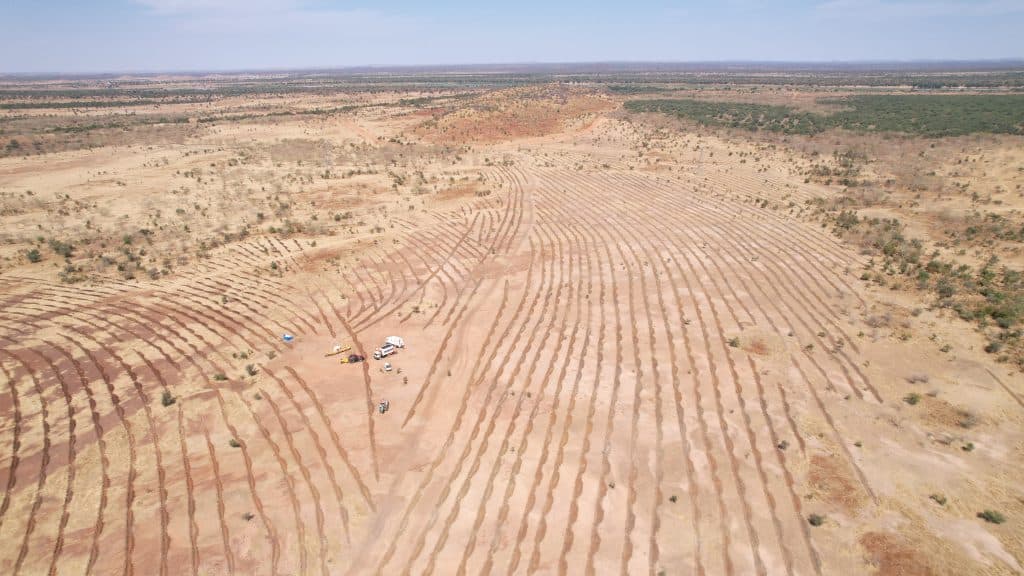
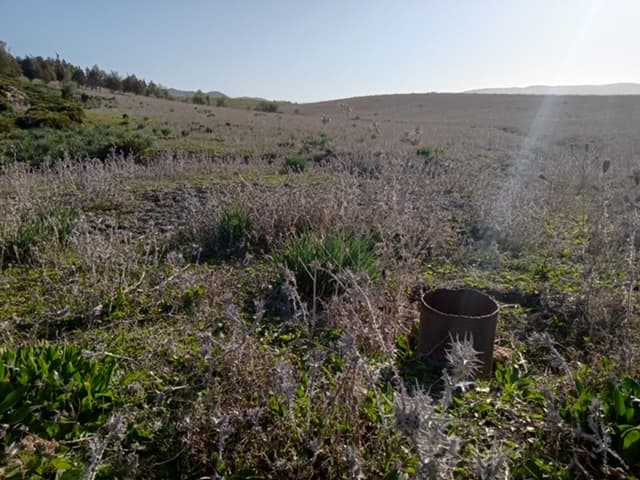
Young trees need water to get started. So the team digs “half moons”, small curved basins in the ground that hold water during the rainy season.
The village chooses which trees to grow. People often pick kinds that give them something to sell, so the trees bring a lasting income as well as shade and better soil.
Who does the work
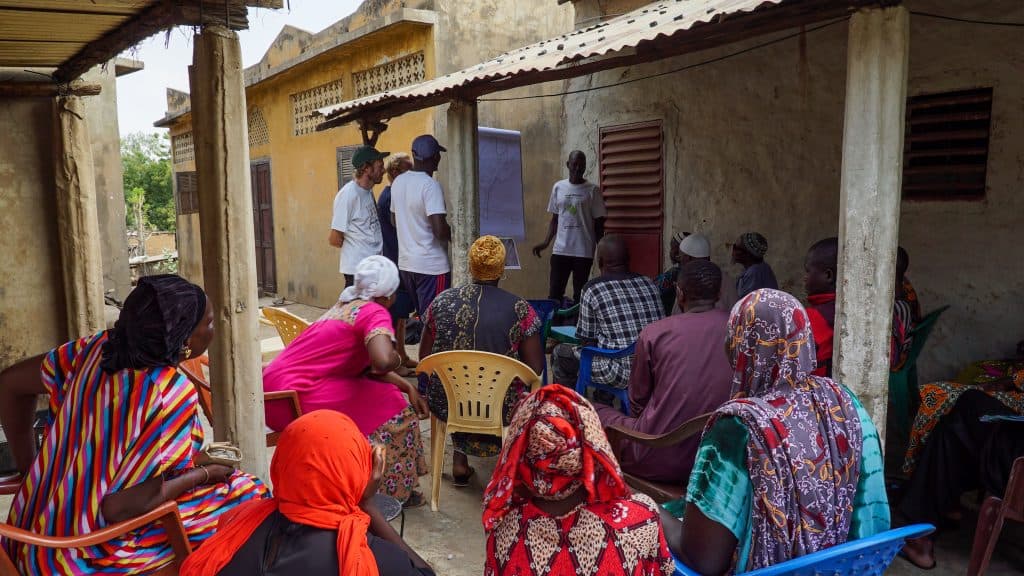
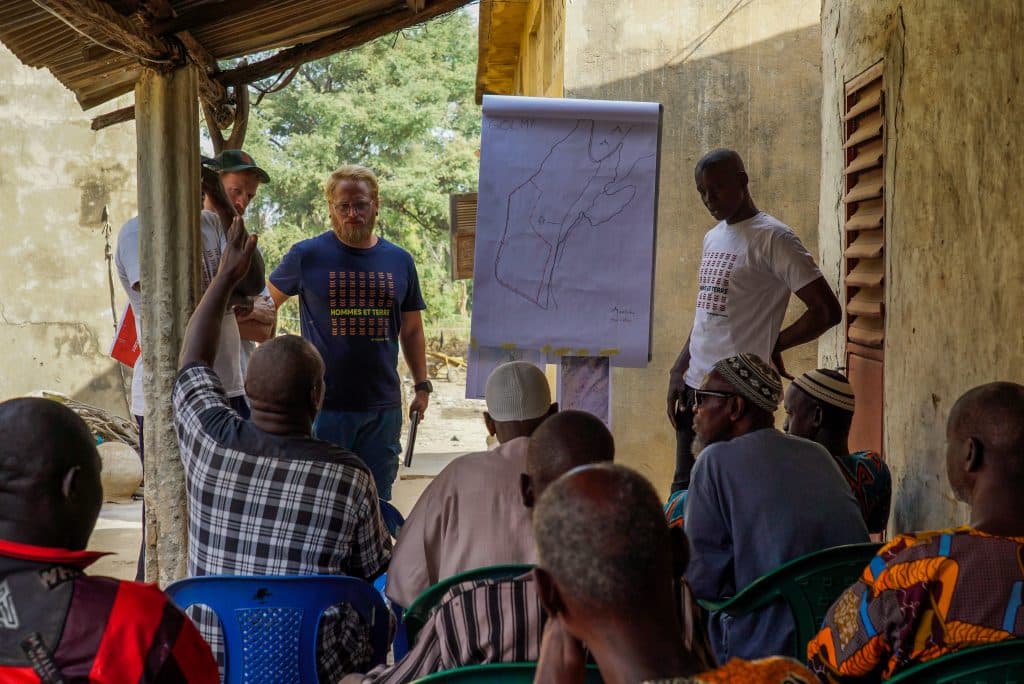
The partner is Hommes et Terre, which describes itself as a private social profit company. It runs large reforestation and land management programmes so that local people keep access to enough fertile land.
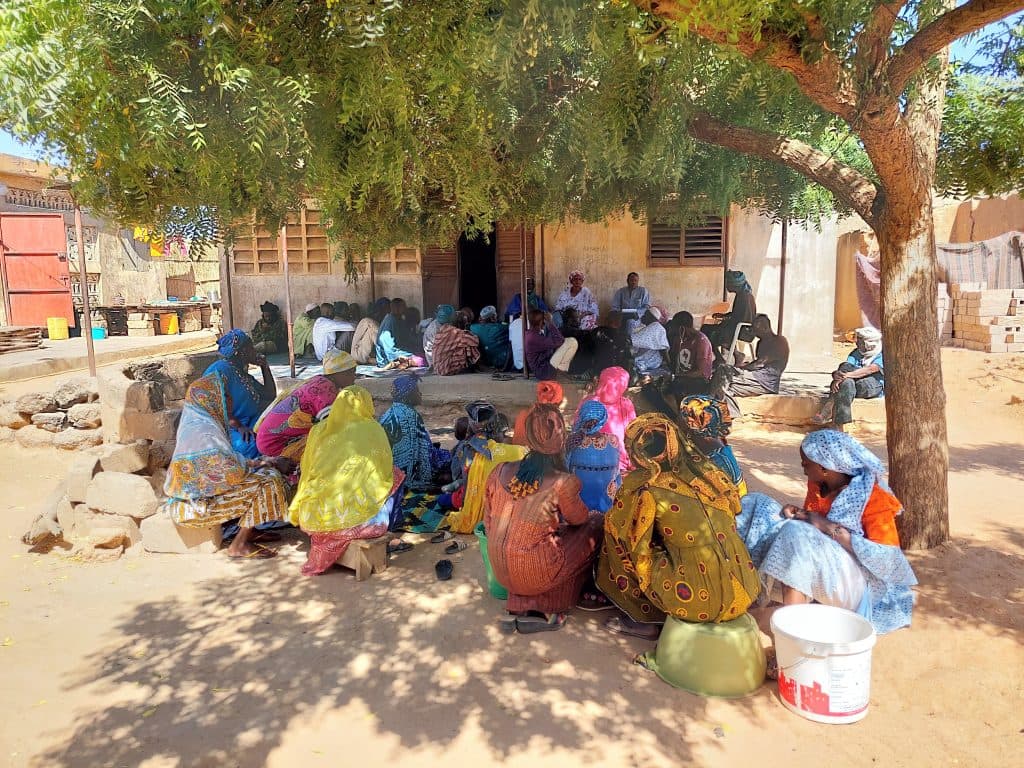
It signs a 30-year agreement with the partner village, which local authorities also sign. The village stays the owner of the land, and the agreement protects the site from outsiders who might want to use it for profit. Villagers are paid for collecting seeds, monitoring and guarding the site.
A village committee gives the community a say in how the project is run. It must include at least one woman. The committee works with local forestry agents, a regional council and the company’s own field staff.
The plan and the record
Ecologi’s page sets out a plan, which it does not date: to restore 245 hectares of degraded land in the commune of Golmi with 367,500 trees of at least 10 kinds. The site is close to 20 villages in the Bakel and Goudiry areas that already work with Hommes et Terre.
The page has one dated update, from March 2023. By then the earthworks were finished, which means the ground was ready. Seeds were still being collected locally. A team of local people was due to be formed in May 2023 and to start sowing in June 2023, when the rains begin. More sowing was planned for the following year to reach the target.
So the last thing Ecologi published is that the ground was prepared. The page gives no count of trees growing, and we do not give one. Ecologi now lists the project as “previously funded” and no longer takes contributions for it.
How the project is checked
The plan was to write forestry monitoring reports one year and three years after the start, to see how many trees had survived and how healthy they were. Staff were also to interview the village committee and study how the project had affected local people.
We do not choose or run the projects ourselves. They are selected by Ecologi. This project carries its “Nature Project Ecologi Approved” mark, which links to Ecologi’s assessment framework for nature projects. Ecologi also keeps a public record of what each member has funded, so our contribution can be checked by anyone.
What Printlogik has funded here
Through the Print A Tree Project, Printlogik orders have funded 40 trees at this project in Senegal.
Because Ecologi no longer takes contributions for this project, that figure is our final count here. Every order we print still funds planting: the contribution is made for you through Ecologi and goes to the projects it is funding today.
How your order gets here
- You order printAny order, of any size. There is nothing to tick and nothing extra to pay.
- We make a contributionEach invoice triggers a contribution from Printlogik to Ecologi.
- Trees go in the groundEcologi funds projects like this one, and records what we have funded in public.
The UN global goals it supports
The United Nations has set 17 Sustainable Development Goals for a fairer, healthier planet by 2030. Ecologi records this project as supporting 6 of them.
- 1No poverty
- 2Zero hunger
- 5Gender equality
- 12Responsible consumption and production
- 13Climate action
- 15Life on land
Where it is

Tambacounda, Senegal · 14.2°N, 12.8°W
| Location | Tambacounda, Senegal |
|---|---|
| Type of project | Reforestation |
| Run by | Hommes et Terre |
| Status | Previously funded. Ecologi no longer takes contributions for it |
| Funded by Printlogik | 40 trees |
| Full record | See it on Ecologi |
Questions
Dry land in Senegal, answered
Where is the project?
In the commune of Golmi, in the Tambacounda region of Senegal.
What is being planted?
At least 10 kinds of trees, chosen by the local village. Ecologi’s page does not name them.
What are half moons?
Small curved basins dug into the ground. They hold rainwater so seeds have enough moisture to sprout and grow.
Who owns the land?
The local village. It has a 30-year partnership agreement with Hommes et Terre, signed by local authorities too.
Is the project still running?
Ecologi lists it as previously funded, so it is no longer taking new contributions. The last update Ecologi published is from March 2023, when the ground had been prepared for sowing.
How does my print order help?
Every Printlogik order funds tree planting and carbon reduction through Ecologi, at no extra cost to you. Printlogik orders funded 40 trees at this project while it was open. New orders fund the projects Ecologi supports today.
Can I check this?
Yes. Ecologi publishes the project and our contributions. See the project on Ecologi, or our public profile from the Print A Tree page.
More from the Print A Tree Project
Other projects your orders fund
You order print. We fund the planting.
Every Printlogik order adds to the Print A Tree Project, at no extra cost to you.