Home / Print A Tree / Gewocha Forest, Ethiopia
A Print A Tree Project · Ethiopia
Restoring Gewocha Forest in Ethiopia. A plan to put the forest in the hands of the people who live beside it.
This project restores worn-out land in and around Gewocha Forest in north-west Ethiopia. It combines tree planting with farm trees, clean water and help for local communities to take charge of the forest.
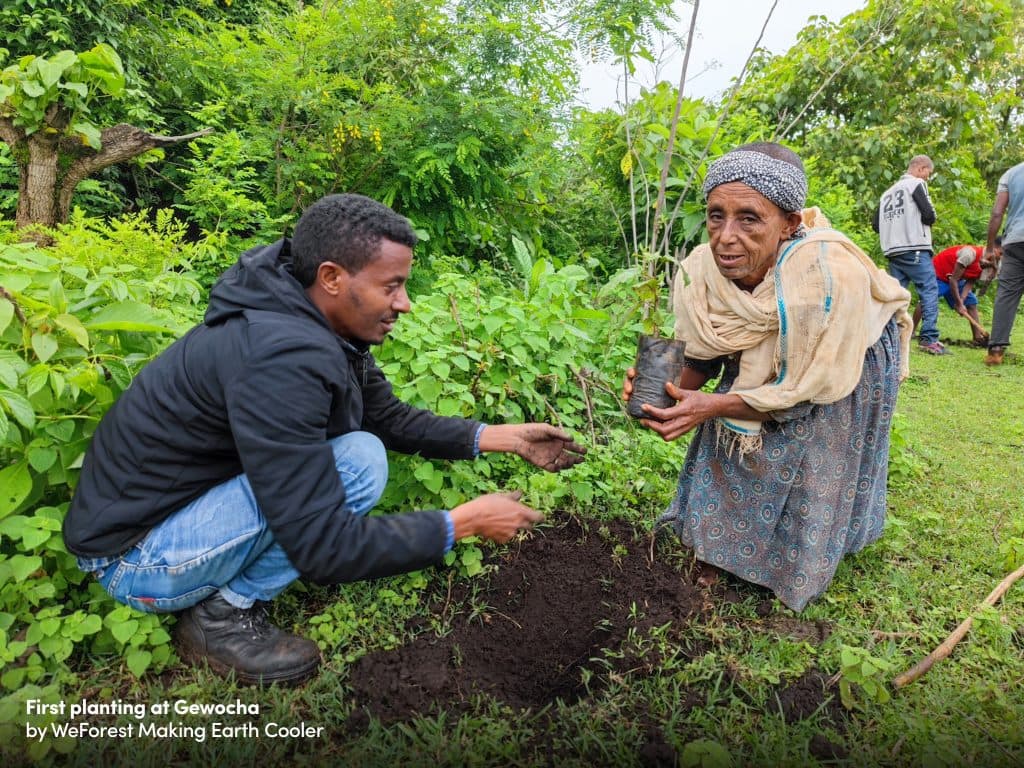
- Trees funded by Printlogik
- 220
- UN global goals supported
- 8
- Jabi-Tehnan, Ethiopia
- 10.6°N, 37.3°E
In short
- Where: Jabi-Tehnan, in the Amhara region of north-west Ethiopia, in and around Gewocha Forest.
- What: Restoring degraded forest and farmland by planting, by helping trees grow back naturally and by protecting what is left. Ecologi lists the project as previously funded.
- Who: WeForest, through its team in Ethiopia, working with The Hunger Project and 14 local communities.
- Why: Poor soil and low harvests push farmers to cut the forest. Healthier land and better incomes take that pressure away.
Why Gewocha Forest
Ethiopia’s climate changes a great deal from one region to the next. There is rainforest in the south and south-west and near-desert in the east. It is one of the countries most at risk of drought, and its rain has become harder to predict, which has made food supplies less secure.
Trees are being lost across the country. Ecologi’s page quotes Global Forest Watch: Ethiopia lost 19,800 hectares of tree cover in 2021.
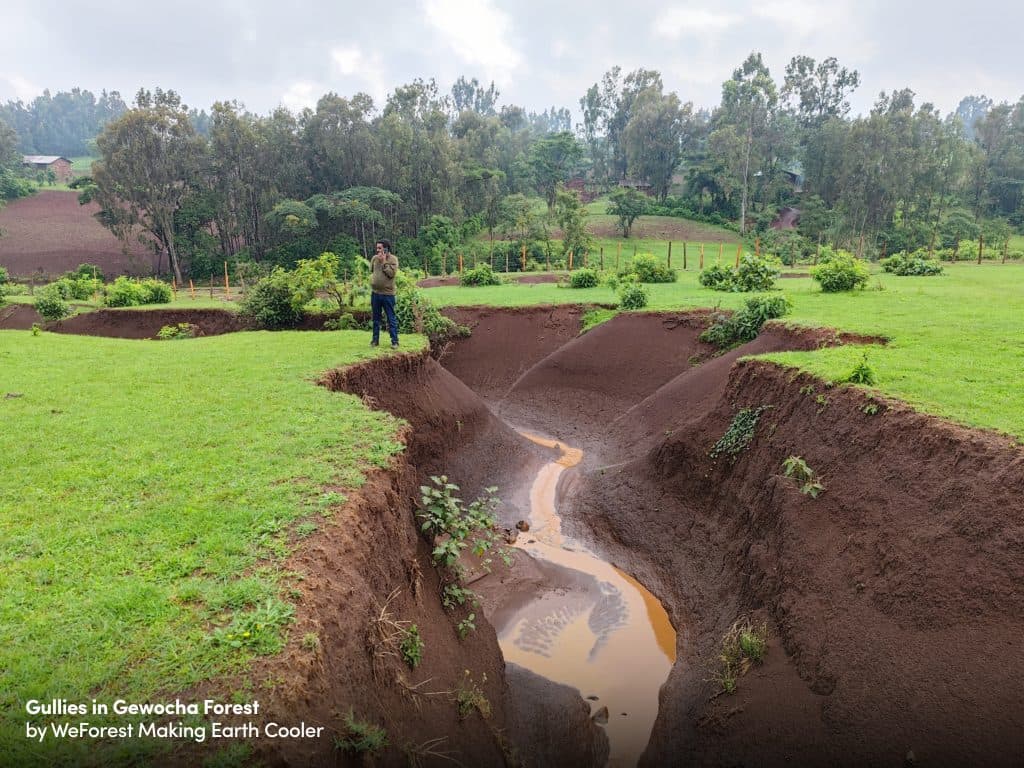
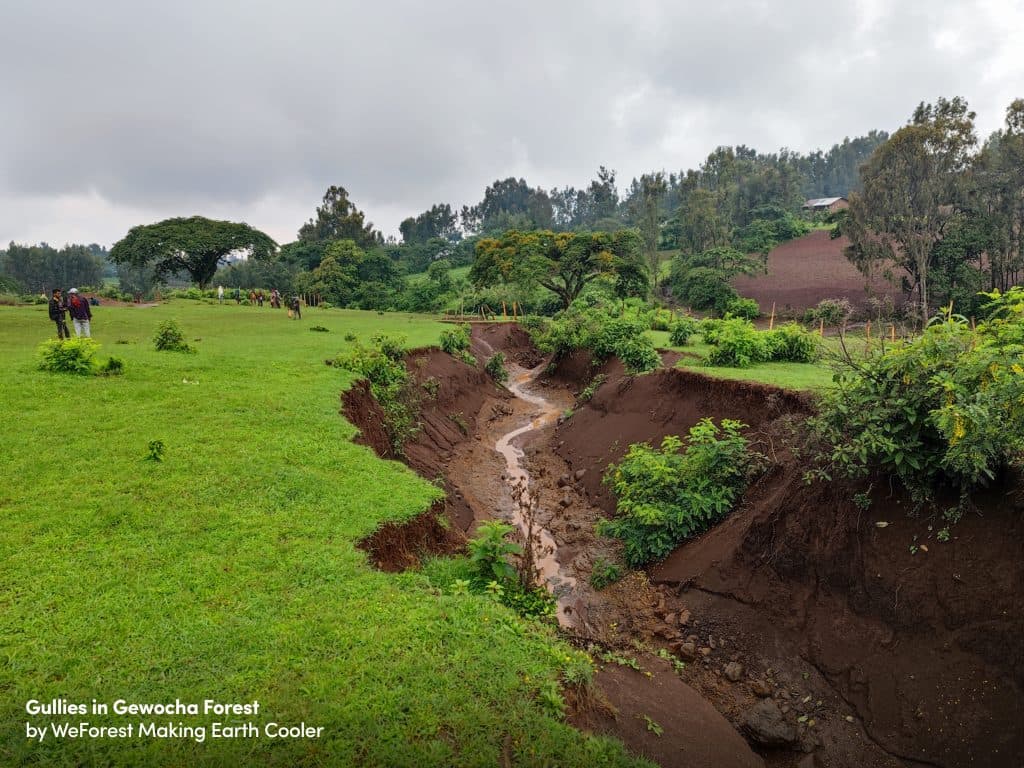
Gewocha Forest is in the north-west. The land around it has not been well managed, so the soil has grown poor and harvests have fallen. In Jabi-Tehnan, where the project is based, half the people live below the poverty line and 43% do not get enough to eat over the long term.
The forest is protected on paper, but the local government does not have the means to guard it. Farmers move into the forest to make up for weak harvests and a lack of animal feed. Trees are cut for firewood, building and charcoal, which people sell to replace lost farm income.
How the land is restored
The aim set out on Ecologi’s page is to restore 10,000 hectares of degraded land with 11.9 million trees. These are the project’s targets, not counts of finished work. The trees arrive in three ways.
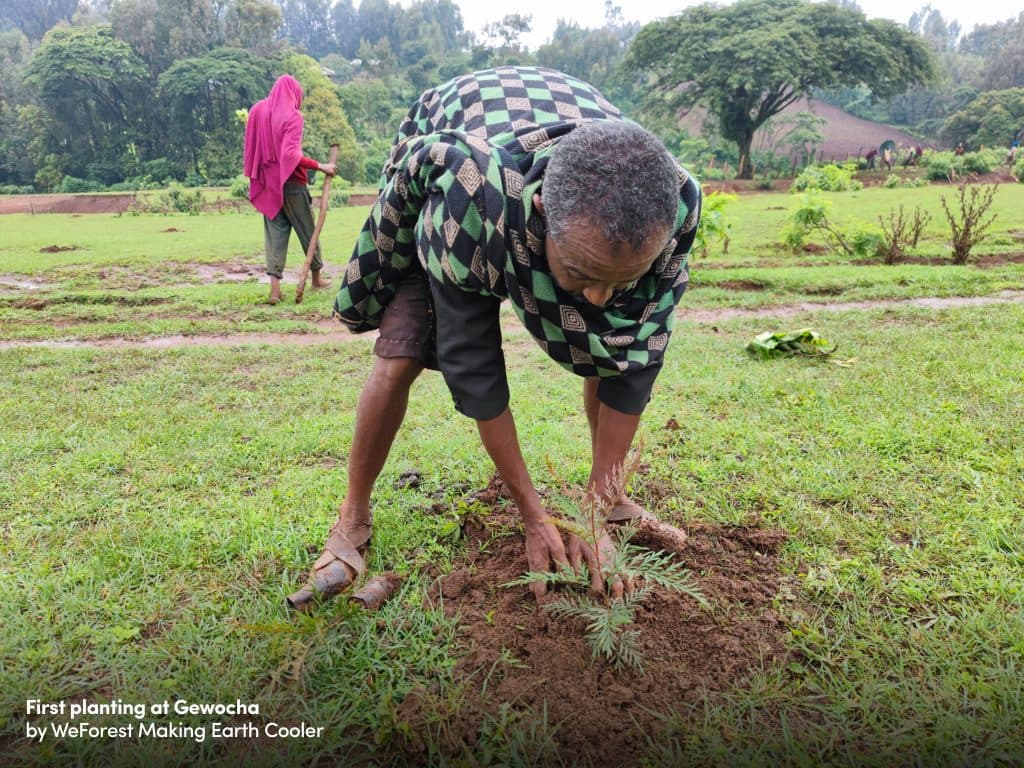
- Planting. Native trees with large canopies are planted, including Ficus vasta, Cordia africana, Albizia gummifera and Syzygium guineense.
- Natural regrowth. In some places the land is helped to grow its own trees back, and existing forest is conserved.
- Trees on farms. The plan includes 1.9 million seedlings for smallholder farms. These are a mix of native and non-native trees, with fruit and crop trees such as mango, avocado, banana and coffee.
Who does the work
The project is run by WeForest, which was set up in 2010 and restores forests together with the communities that live near them. Its team in Ethiopia manages the work, in partnership with The Hunger Project.
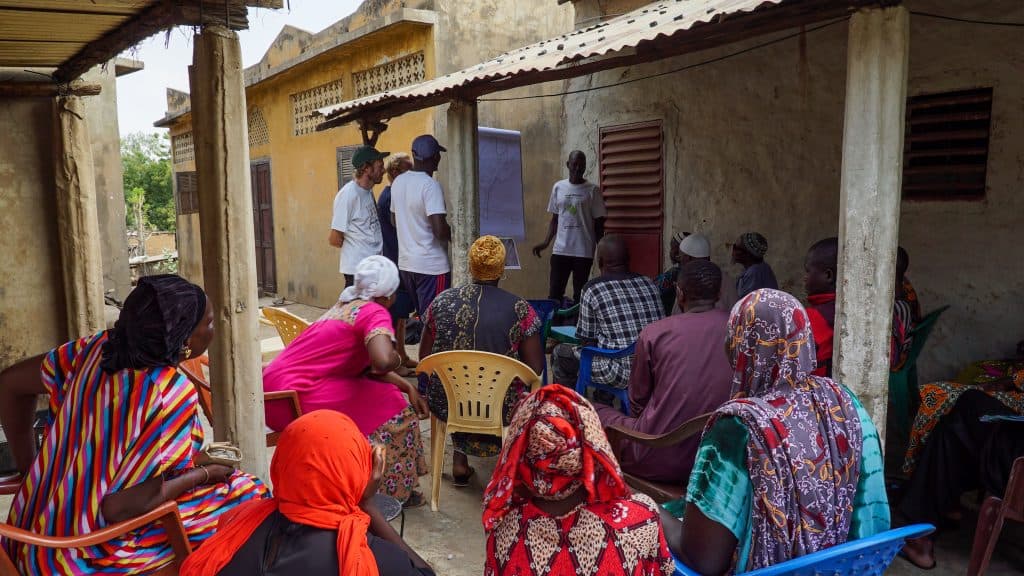
Local people are at the centre of it. The plan is to help communities get legal title to the forest, and to give them training and equipment so they can look after it themselves. The page says 7,894 farmers and their families in 14 communities should benefit directly, and about 42,000 people indirectly.
More than trees
The project also sets out to improve health and wellbeing for the people who live in the region. These are plans set out on Ecologi’s page, not reports of finished work.
- Women’s groups. Women’s self-help groups are formed so that more women can lead, and these are supported to become savings and credit co-operatives.
- Clean water. New water points are built, broken ones are repaired, and people are trained in sanitation and hygiene.
- Small-scale irrigation. Simple watering systems help families grow vegetables, fruit and other crops for a more varied diet.
The project on record
Ecologi now lists this project as “previously funded” and no longer takes contributions for it. Its page does not say when its funding started.
The record on the page is short. It has two dated updates, and both are about seedlings being grown in the nursery. It does not give a count of trees planted in the ground, so we do not quote one.
- June 2022The Geray Tree Nursery is up and running, growing half a million seedlings for that season’s planting.
- March 2023The community-run nursery is fully operational. More than 1 million seedlings are being grown for the 2023 planting season, by 40 nursery workers, most of them women.
Over 1 millionseedlings being grown at the Geray nursery in March 2023, the last figure Ecologi published for this project.
How the project is checked
We do not choose or run the projects ourselves. They are selected by Ecologi, and this one carries its “Nature Project: Ecologi Approved” mark. Ecologi’s page also links to a map of the project site on a platform called Restor.
Ecologi keeps a public record of what each of its members has funded, so our contribution can be checked by anyone. The link is in the project details below.
What Printlogik has funded here
Through the Print A Tree Project, Printlogik orders have funded 220 trees at the Gewocha Forest project in Ethiopia.
Because Ecologi no longer takes contributions for this project, that figure is our final count here. Every order we print still funds planting: the contribution is made for you through Ecologi and goes to the projects it is funding today.
How your order gets here
- You order printAny order, of any size. There is nothing to tick and nothing extra to pay.
- We make a contributionEach invoice triggers a contribution from Printlogik to Ecologi.
- Trees go in the groundEcologi funds projects like this one, and records what we have funded in public.
The UN global goals it supports
The United Nations has set 17 Sustainable Development Goals for a fairer, healthier planet by 2030. Ecologi records this project as supporting 8 of them.
- 1No poverty
- 2Zero hunger
- 5Gender equality
- 6Clean water and sanitation
- 7Affordable and clean energy
- 13Climate action
- 15Life on land
- 17Partnerships for the goals
Where it is

Jabi-Tehnan, Ethiopia · 10.6°N, 37.3°E
| Location | Jabi-Tehnan, Ethiopia |
|---|---|
| Type of project | Reforestation |
| Run by | WeForest |
| Status | Previously funded. Ecologi no longer takes contributions for it |
| Funded by Printlogik | 220 trees |
| Full record | See it on Ecologi |
Questions
Gewocha Forest, Ethiopia, answered
Where is the Gewocha Forest project?
In Jabi-Tehnan, in the Amhara region of north-west Ethiopia.
What is being planted?
Native forest trees such as Ficus vasta and Cordia africana, plus fruit and crop trees on farms, including mango, avocado, banana and coffee.
Why does this forest need help?
The soil around it has grown poor and harvests are low, so farmers cut trees for fuel, building and charcoal. The local government is not able to guard the forest.
Who runs the project?
WeForest, through its team in Ethiopia, working with The Hunger Project and local communities.
Is the project still running?
Ecologi lists it as previously funded, so it is no longer taking new contributions through Ecologi. The last update Ecologi published for it is from March 2023.
How does my print order help?
Every Printlogik order funds tree planting and carbon reduction through Ecologi, at no extra cost to you. Printlogik orders funded 220 trees at this project while it was open. New orders fund the projects Ecologi supports today.
Can I check this?
Yes. Ecologi publishes the project and our contributions. See the project on Ecologi, or our public profile from the Print A Tree page.
More from the Print A Tree Project
Other projects your orders fund
You order print. We fund the planting.
Every Printlogik order adds to the Print A Tree Project, at no extra cost to you.