Home / Print A Tree / Andean forests in Ecuador
A Print A Tree Project · Ecuador
Restoring Andean forests in Ecuador. Mountain trees that keep the streams running.
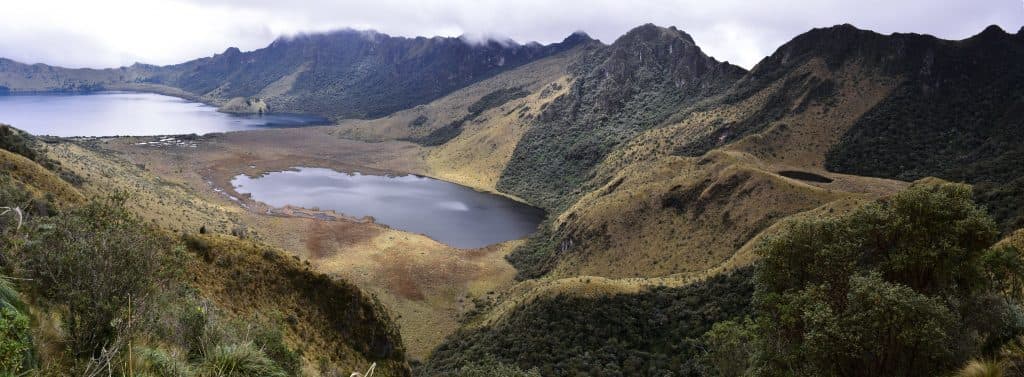
This project set out to plant Polylepis and other native trees high in the Andes mountains of Ecuador. These forests hold back water from glaciers and clouds and release it slowly to the people living below.
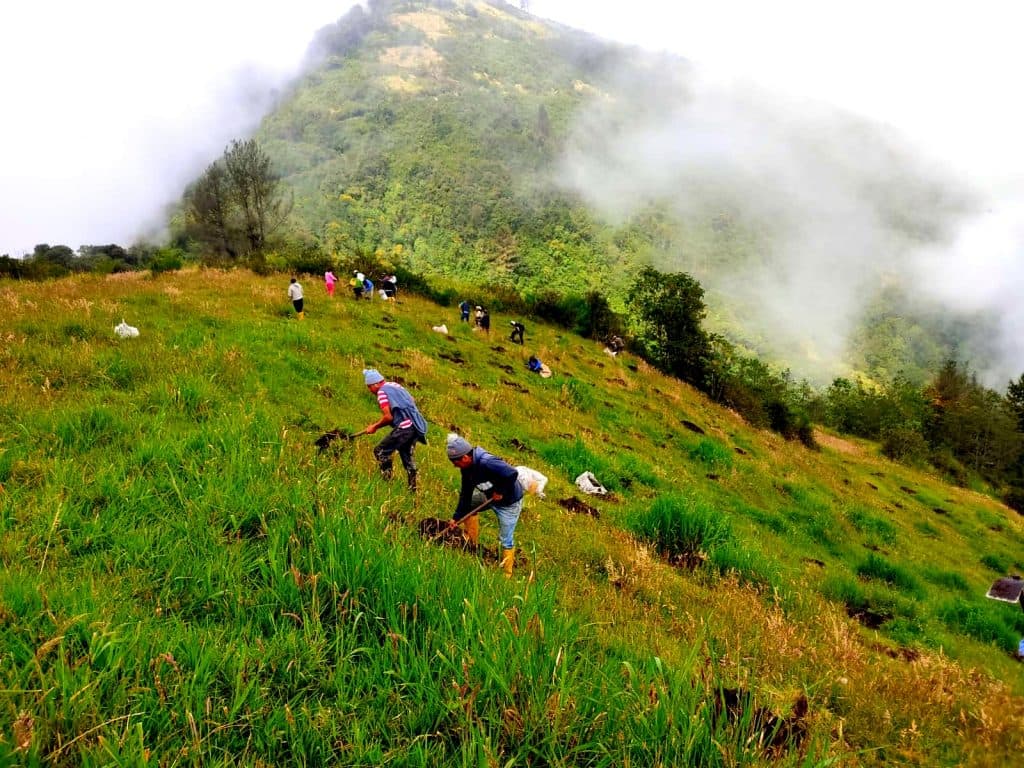
- Trees funded by Printlogik
- 40
- UN global goals supported
- 4
- Pichincha, Ecuador
- 0.2°S, 78.6°W
In short
- Where: The Andes mountains of Ecuador. Ecologi gives the location as Pichincha, with planting sites in several mountain areas.
- What: Planting Polylepis and other native trees to restore high mountain forest. Ecologi lists the project as previously funded.
- Who: Global Forest Generation, a conservation non-profit, working through local organisations and communities.
- Why: Polylepis forests store and release water for farms and towns, and they stop soil washing away. Very few are left.
Why Ecuador
Ecuador is a country in South America with a huge range of wildlife: almost 20,000 kinds of plants and more than 2,600 kinds of animals. It is also one of the few countries that gives legal rights to nature as well as to people. That includes a duty to protect native species and to restore damaged land.
Those rules are fairly new. They came after years of logging, oil exploration and clearing land for farming. Ecologi’s page says primary rainforest now covers less than 15% of the country.
Ecuador has four main natural regions: the Amazon, the Andes, the Pacific coastal plain and the Galapagos Islands. This project works in the Andes, the longest mountain range on any continent. The range runs through Ecuador from the border with Colombia in the north to the border with Peru in the south.
Why Polylepis trees
Polylepis trees grow only in the middle and high parts of the tropical Andes. They live in harsh weather at great height, and they do several useful jobs.
- They slow the water. The trees and their roots hold back meltwater from glaciers, so it reaches rivers and streams steadily through the year.
- They catch the mist. Their branches collect water from clouds and rain, which helps create streams that never dry up.
- They hold the ground. The forests reduce soil erosion and flooding, which protects homes and livelihoods.
Who does the work
The planting partner is Global Forest Generation, a conservation non-profit based in the United States. In 2018 it set up a network called Acción Andina together with ECOAN, an organisation based in Peru. The network covers five countries: Ecuador, Bolivia, Peru, Chile and Argentina. Its aim is to protect 500,000 hectares of the Polylepis forest that remains and to restore another 500,000 hectares of high Andean forest.
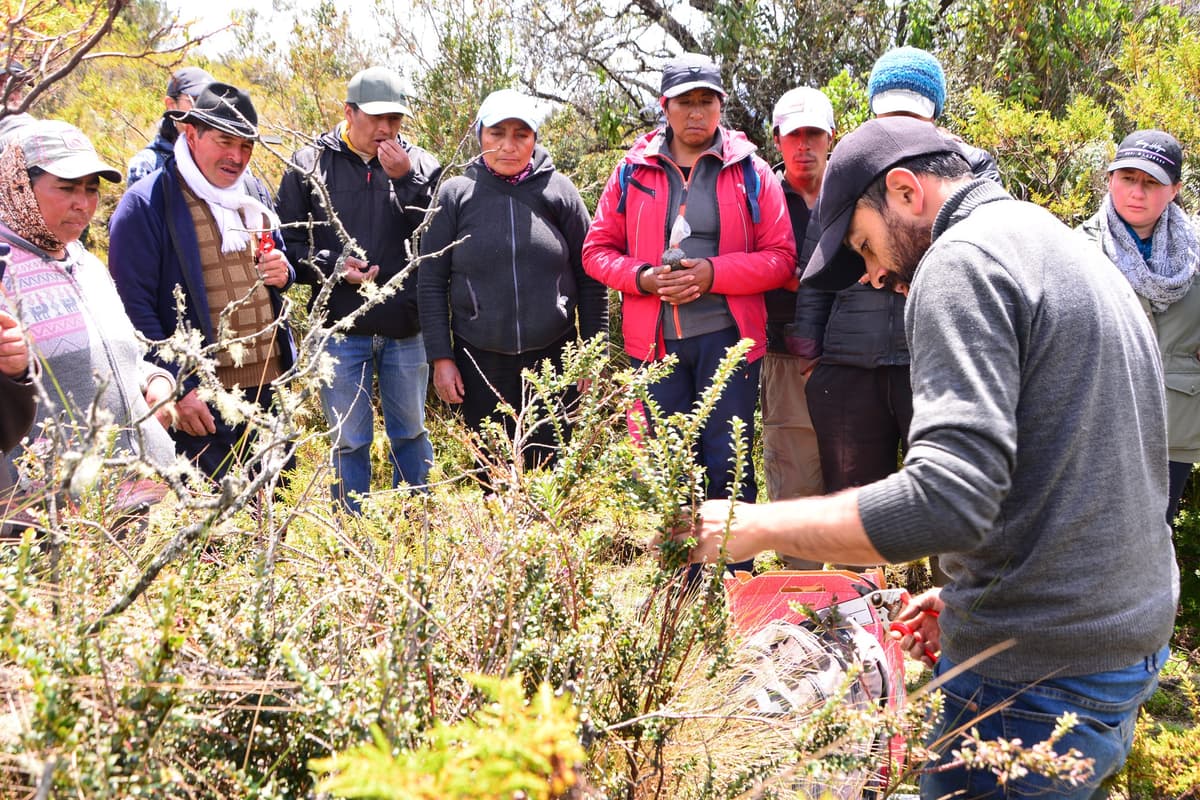
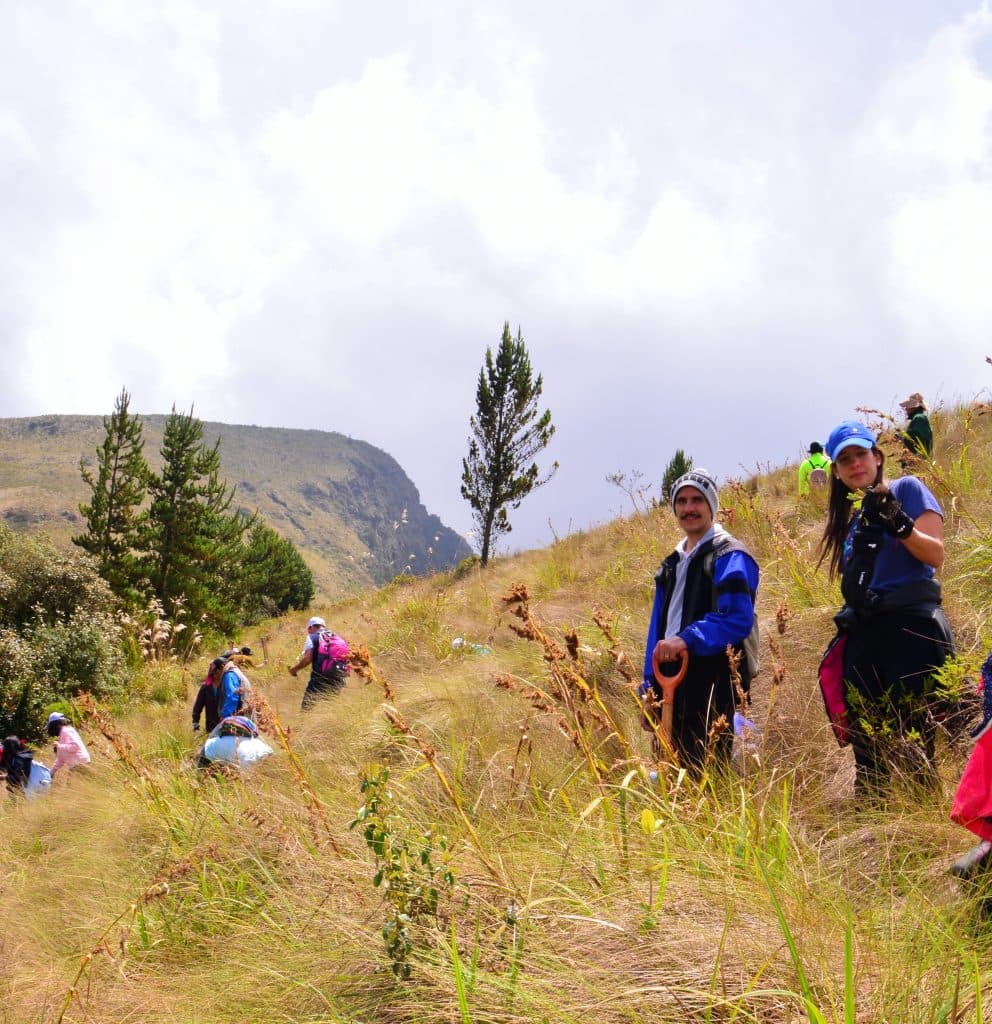
Global Forest Generation supplies funding, training, technology and contacts. The planting itself is done by local organisations working with local communities. In Ecuador these are Aves y Conservación, Andean Adventures, FONAG and FMPLPT. The idea is that local people lead the projects and look after the forest, and that this improves their own food supply and health.
What was planned
Ecologi’s page sets out a plan rather than a final count. It does not date the plan. Ecologi said it would fund 300,000 trees in the Andes over two years, spread across 16 sites, five of them in Ecuador. The sites it names in Ecuador are in Chimborazo, Imbabura, Pichincha and Tungurahua.
At the Ecuador sites, four trees in every five were to be Polylepis, including the species Polylepis pauta and Polylepis incana. The rest were to be other native trees, such as Alnus acuminata and Cedrela montana.
The project on record
Ecologi lists this project as “previously funded” and no longer takes contributions for it. The page has two dated updates. Neither gives a count of trees planted, so we do not give one. An undated site update on the page adds that in Yanahurco, 20 community members took part in workshops on growing native Andean berries.
- August 2022Protests and strikes in June 2022 affected all four local partners in Ecuador and delayed some of their work. Ecologi reported they were back on track for the season.
- March 2023Ecologi reports that the Otavalo Mojando Protected Water Area in Imbabura was officially recognised in December 2022, after more than a year of work by Aves y Conservación. It covers 1,837 hectares. Local people were to be hired as park guards.
1,837 hectaresof protected water area recognised in December 2022, as reported by Ecologi in March 2023. This is land protected, not a count of trees planted.
How the project is checked
We do not choose or run the projects ourselves. They are selected by Ecologi. This project carries its “Nature Project Ecologi Approved” mark, which links to Ecologi’s assessment framework for nature projects. Ecologi’s page says it was to receive progress reports every three months, with photographs.
Ecologi also keeps a public record of what each of its members has funded, so our contribution can be checked by anyone. The link is in the project details below.
What Printlogik has funded here
Through the Print A Tree Project, Printlogik orders have funded 40 trees at this project in the Andes of Ecuador.
Because Ecologi no longer takes contributions for this project, that figure is our final count here. Every order we print still funds planting: the contribution is made for you through Ecologi and goes to the projects it is funding today.
How your order gets here
- You order printAny order, of any size. There is nothing to tick and nothing extra to pay.
- We make a contributionEach invoice triggers a contribution from Printlogik to Ecologi.
- Trees go in the groundEcologi funds projects like this one, and records what we have funded in public.
The UN global goals it supports
The United Nations has set 17 Sustainable Development Goals for a fairer, healthier planet by 2030. Ecologi records this project as supporting 4 of them.
- 6Clean water and sanitation
- 13Climate action
- 15Life on land
- 17Partnerships for the goals
Where it is

Pichincha, Ecuador · 0.2°S, 78.6°W
| Location | Pichincha, Ecuador |
|---|---|
| Type of project | Reforestation |
| Run by | Global Forest Generation |
| Status | Previously funded. Ecologi no longer takes contributions for it |
| Funded by Printlogik | 40 trees |
| Full record | See it on Ecologi |
Questions
Andean forests in Ecuador, answered
Where is the project?
In the Andes mountains of Ecuador, in South America. Ecologi gives the location as Pichincha.
What was planted?
The plan was for mostly Polylepis trees, which grow only in the middle and high parts of the tropical Andes, along with other native trees. Ecologi’s page gives no count of trees planted.
Why do Polylepis forests matter?
They slow down meltwater from glaciers, catch water from mist and clouds, and reduce erosion and flooding. Farms and towns lower down depend on that water.
Who planted the trees?
Local organisations and communities in Ecuador, supported by Global Forest Generation as part of the Acción Andina network.
Is the project still running?
Ecologi lists it as previously funded, so it is no longer taking new contributions. The last update Ecologi published for it is from March 2023.
How does my print order help?
Every Printlogik order funds tree planting and carbon reduction through Ecologi, at no extra cost to you. Printlogik orders funded 40 trees at this project while it was open. New orders fund the projects Ecologi supports today.
Can I check this?
Yes. Ecologi publishes the project and our contributions. See the project on Ecologi, or our public profile from the Print A Tree page.
More from the Print A Tree Project
Other projects your orders fund
You order print. We fund the planting.
Every Printlogik order adds to the Print A Tree Project, at no extra cost to you.