Home / Print A Tree / Dundori Forest, Kenya
A Print A Tree Project · Kenya
Restoring Dundori Forest in Kenya. A forest that feeds three of the country’s great lakes.
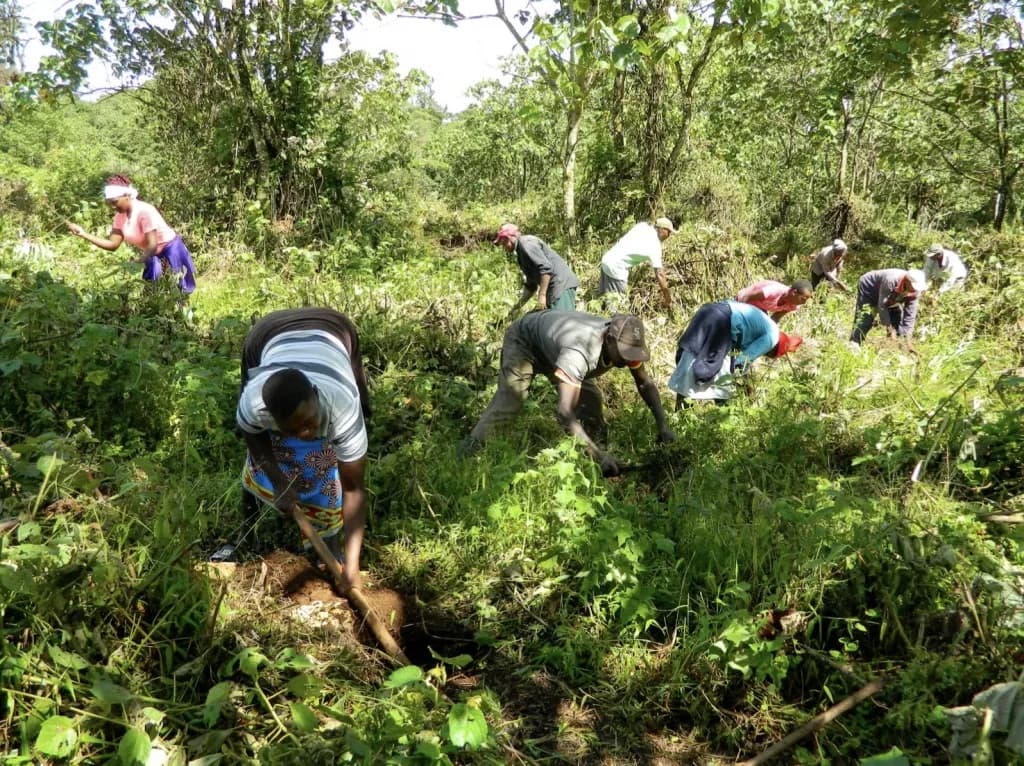
This project replanted badly damaged parts of Dundori Forest in Kenya with local tree species. The work was led by nearby communities, and an end-of-project evaluation was carried out in January 2026.
- Trees funded by Printlogik
- 60
- UN global goals supported
- 4
- Dundori, Kenya
- 0.3°S, 36.2°E
In short
- Where: Dundori Forest in Nakuru County, about 200 kilometres north-west of Nairobi.
- What: Replanting degraded forest with native trees, including threatened species, and planting trees on farms and at schools. Ecologi lists the project as previously funded.
- Who: International Tree Foundation, a charity, working with Kenya Forest Service and the communities that live beside the forest.
- Why: Water from this forest flows into three major lakes, and Kenya is losing plants and animals quickly.
Why Dundori Forest
Kenya is known around the world for its wildlife and its landscapes, which run from desert and wetland to mountain and forest. But it is losing kinds of plants and animals at an alarming rate. The causes are damage to the environment, poor use of land and natural resources used faster than they can recover. Extreme weather linked to climate change makes all of this worse, and it hurts the tourism that many people depend on for a living.
Dundori Forest is in Nakuru County, about 200 kilometres north-west of Nairobi. It is a Key Biodiversity Area, which marks it out as important for its species and habitats.
It matters for water too. Water from this area flows into three of Kenya’s major lakes, and one of them is a UNESCO World Heritage site. Dundori is one of six western forest blocks in the county and part of the larger Mau water tower.
What the project set out to do
The aim was to restore 200 hectares of badly degraded forest, with local communities leading the work. Replanting with local species was meant to bring back several things at once.
- Water. Getting the forest working again as a watershed, the land that collects and supplies water.
- Soil. Making the soil steadier and better in quality.
- Carbon. Storing carbon in the regrown forest.
- Wildlife. The plan covered four threatened tree species in Nakuru County, including Prunus africana and Ocotea kenyensis.
Who does the work
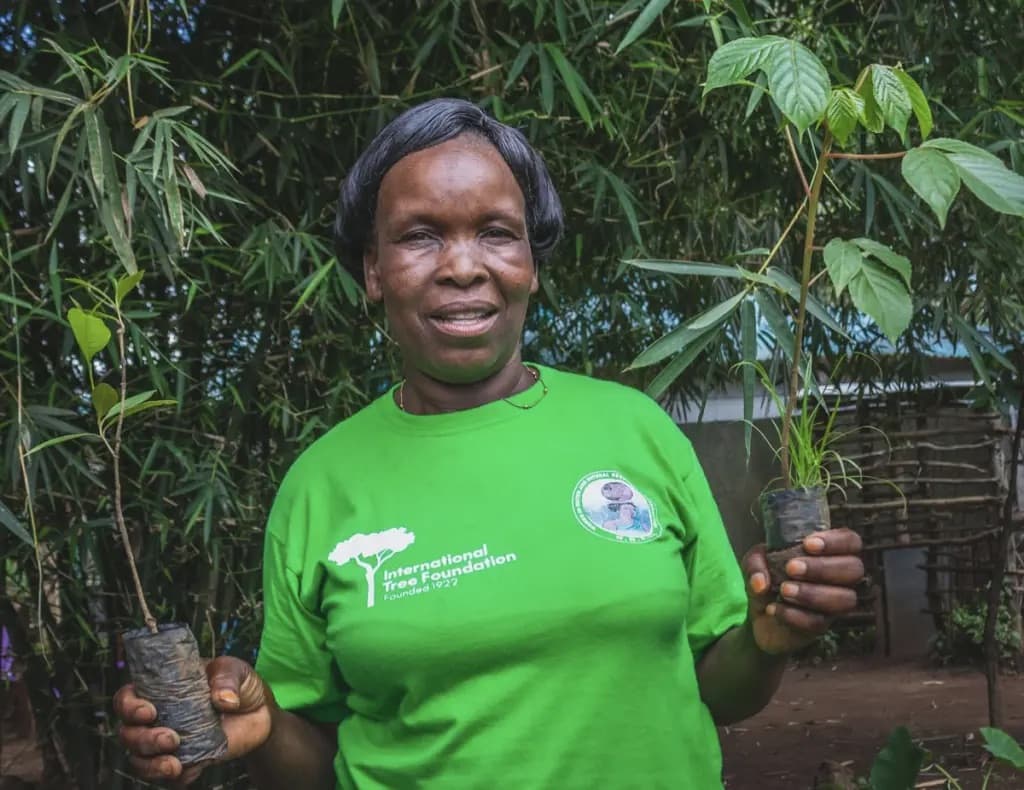
The project was run by International Tree Foundation, known as ITF, a charity that works with local communities to plant trees and restore forests.
Planting is only the start. Young trees need care if they are to live. ITF leads that aftercare for three years, together with Kenya Forest Service and the communities next to the forest, until the trees can survive on their own.
Local people called Community Volunteers help protect the planted sites, and they are trained to prevent and fight fires. The plan also took tree growing into 15 schools and other learning institutions, so that young people learn to look after the forest.
The project on record
Ecologi lists this project as “previously funded” and no longer takes contributions for it. An end-of-project review was carried out in January 2026, and Ecologi published the results in August 2026. Its page does not say when its funding started.
The two tree planting targets were beaten. Two smaller targets fell just short: 95 of a planned 100 fuel-saving cook stoves were fitted, and 488 of a planned 500 farmers were trained. Of those farmers, 273 were women and 215 were men.
The review recommended that the trained farmers go on being mentored, so that the new ways of working last.
- January 2026An end-of-project review looks at what was achieved and what was learned.
- August 2026Ecologi reports 101,225 native trees planted against a target of 100,000, and 25,104 farm trees planted against a target of 25,000.
- August 2026Ecologi reports 488 farmers trained in subjects such as safe use of farm chemicals, running tree nurseries and collecting seed from threatened species. 91.25% of households took part in farm tree planting and 61.25% took up the cook stoves.
- August 2026Surveys find 1,700 to 2,400 trees per hectare, and the forest is regrowing by itself in less disturbed areas. Threatened species including Prunus africana and Hagenia abyssinica have been brought back.
101,225native trees planted, as reported by Ecologi in August 2026.
How the project is checked
We do not choose or run the projects ourselves. They are selected by Ecologi, and this one carries its “Nature Project Ecologi Approved” mark. Ecologi names International Tree Foundation as the partner that delivers the project.
The results above come from the updates Ecologi published in August 2026. These refer to the end-of-project review and to ecological assessments of the forest, which gave trees per hectare and the species growing there.
Ecologi also keeps a public record of what each of its members has funded, so our contribution can be checked by anyone. The link is in the project details below.
What Printlogik has funded here
Through the Print A Tree Project, Printlogik orders have funded 60 trees at Dundori Forest. It is a small part of a project that planted more than 100,000.
Because Ecologi no longer takes contributions for this project, that figure is our final count here. Every order we print still funds planting: the contribution is made for you through Ecologi and goes to the projects it is funding today.
How your order gets here
- You order printAny order, of any size. There is nothing to tick and nothing extra to pay.
- We make a contributionEach invoice triggers a contribution from Printlogik to Ecologi.
- Trees go in the groundEcologi funds projects like this one, and records what we have funded in public.
The UN global goals it supports
The United Nations has set 17 Sustainable Development Goals for a fairer, healthier planet by 2030. Ecologi records this project as supporting 4 of them.
- 5Gender equality
- 8Decent work and economic growth
- 13Climate action
- 15Life on land
Where it is

Dundori, Kenya · 0.3°S, 36.2°E
| Location | Dundori, Kenya |
|---|---|
| Type of project | Reforestation |
| Run by | International Tree Foundation |
| Status | Previously funded. An end-of-project evaluation was carried out in January 2026 |
| Funded by Printlogik | 60 trees |
| Full record | See it on Ecologi |
Questions
Dundori Forest, Kenya, answered
Where is Dundori Forest?
In Nakuru County, Kenya, about 200 kilometres north-west of Nairobi.
What was planted?
Native forest trees, including threatened species such as Prunus africana, plus trees on local farms.
Why does this forest matter for water?
Water from the area flows into three of Kenya’s major lakes. The forest is part of the larger Mau water tower.
Who planted and looks after the trees?
International Tree Foundation, with Kenya Forest Service and the communities beside the forest. Planted trees are cared for over three years.
Is the project still running?
Ecologi lists it as previously funded and no longer takes contributions for it. An end-of-project review was done in January 2026 and the results were published in August 2026.
How does my print order help?
Every Printlogik order funds tree planting and carbon reduction through Ecologi, at no extra cost to you. Printlogik orders funded 60 trees at this project while it was open. New orders fund the projects Ecologi supports today.
Can I check this?
Yes. Ecologi publishes the project and our contributions. See the project on Ecologi, or our public profile from the Print A Tree page.
More from the Print A Tree Project
Other projects your orders fund
You order print. We fund the planting.
Every Printlogik order adds to the Print A Tree Project, at no extra cost to you.