Home / Print A Tree / Forest gardens in Tanzania
A Print A Tree Project · Tanzania
Forest gardens in Tanzania. Trees planted by farmers on their own land.
A project to train around 600 farmers in the Iringa region of Tanzania to plant trees on their land, to protect the soil and widen what they can grow and sell.
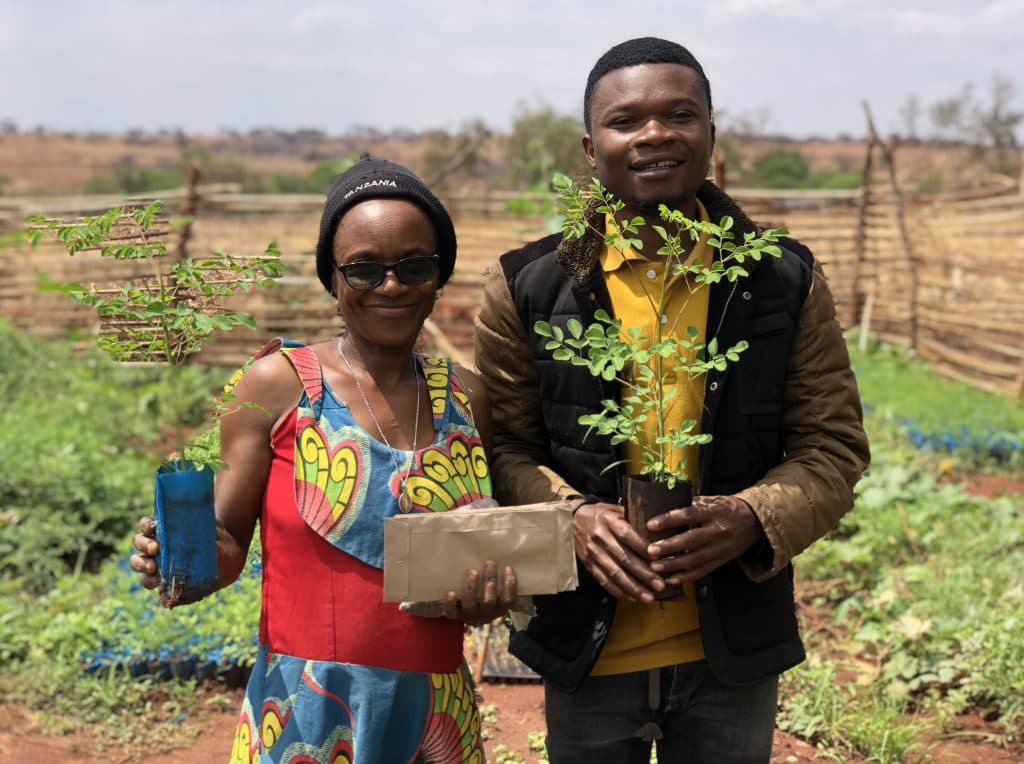
- Trees funded by Printlogik
- 280
- UN global goals supported
- 10
- Iringa, Tanzania
- 7.8°S, 35.7°E
In short
- Where: Iringa, a region in the south of Tanzania, along the ridges and valleys of the Udzungwa Mountains.
- What: Forest gardens: farms where trees, fruit and vegetables grow together. The project was planned to end in December 2023.
- Who: Trees for the Future, working with the Clinton Development Initiative and around 600 local farmers.
- Why: Farms that grow only one or two crops are easily hit by bad weather, pests and price changes. Trees make them stronger.
Why Tanzania
Tanzania is in East Africa, just south of the Equator, and is home to around 60 million people. It has hot, humid plains in the east and cooler highlands in the north and south. It is known for Mount Kilimanjaro, the highest mountain in Africa, and for the yearly wildebeest migration in the Serengeti.
The country is very rich in wildlife. It has more than a thousand kinds of bird, and its coast has estuaries, reefs and mangroves. It also has the tenth highest number of threatened species of any country on the IUCN Red List.
That wildlife is in decline. Only about a third of the country is formally protected. Ecologi’s page says it is estimated that farming and growing towns have cost Tanzania at least a third of the wildlife and natural systems in its forests and woodlands over the past few decades.
Why forest gardens
Most farmers in Iringa grow just one or two kinds of crop. That leaves them very exposed to extreme weather, pests and changes in the market. Most also farm alone, with little support and poor access to markets.
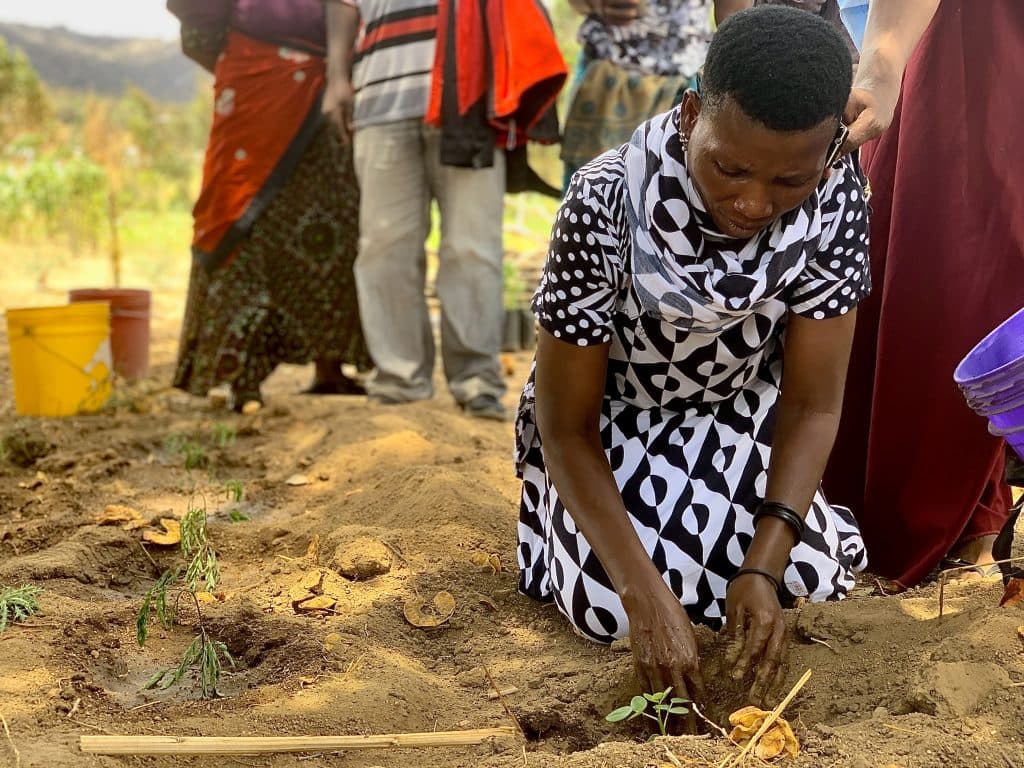
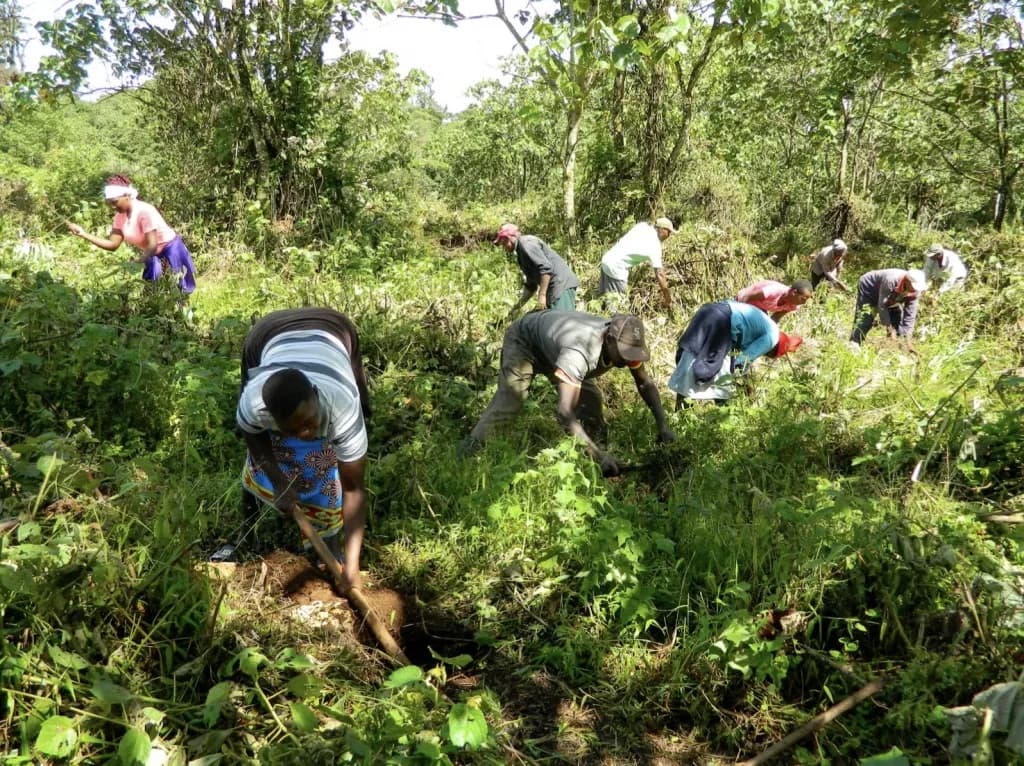
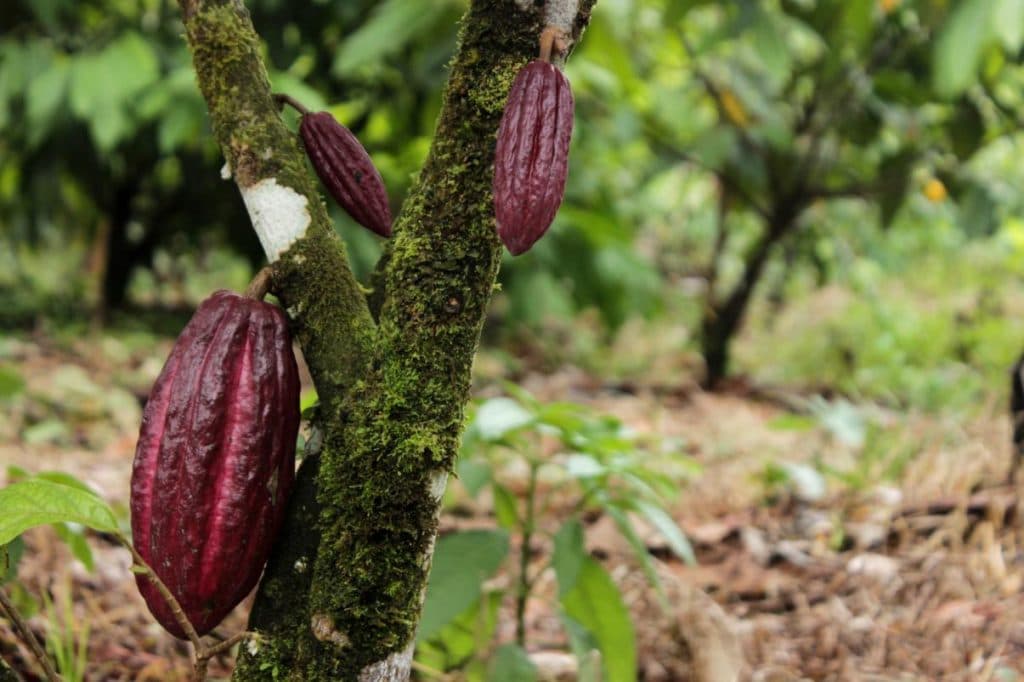
A forest garden is a different way to farm. Farmers plant thousands of trees on their own land, alongside their crops. The project uses a mix of trees: some that help the farm, some for fruit and some for timber.
- Better soil. The trees protect the land and put nutrients back into the soil, which improves the size and quality of harvests.
- More to sell. Fruit, vegetables and timber give farmers more than one source of income.
- More resilience. A farm with many kinds of plant copes better with a changing climate. Ecologi reports the gardens kept producing fruit and vegetables even when rainfall was low.
Who does the work
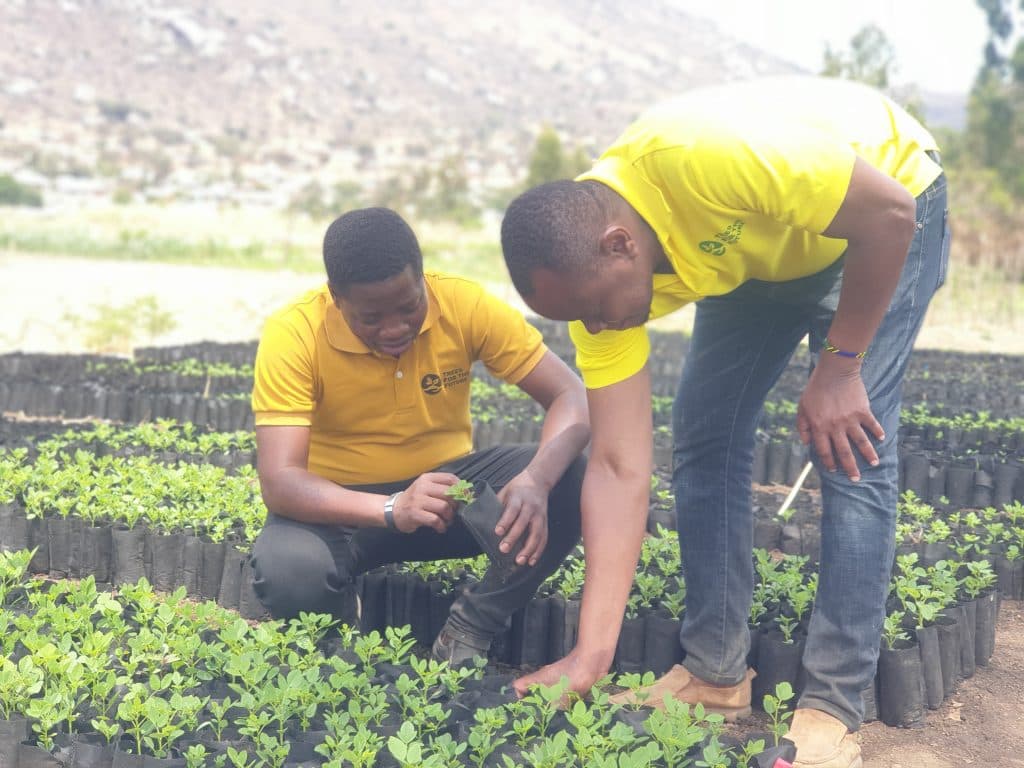
The planting partner is Trees for the Future, which was founded in 1989 and says it has planted more than 250 million trees since then. Its staff specialise in agroforestry, which means combining farming and forestry on the same land.
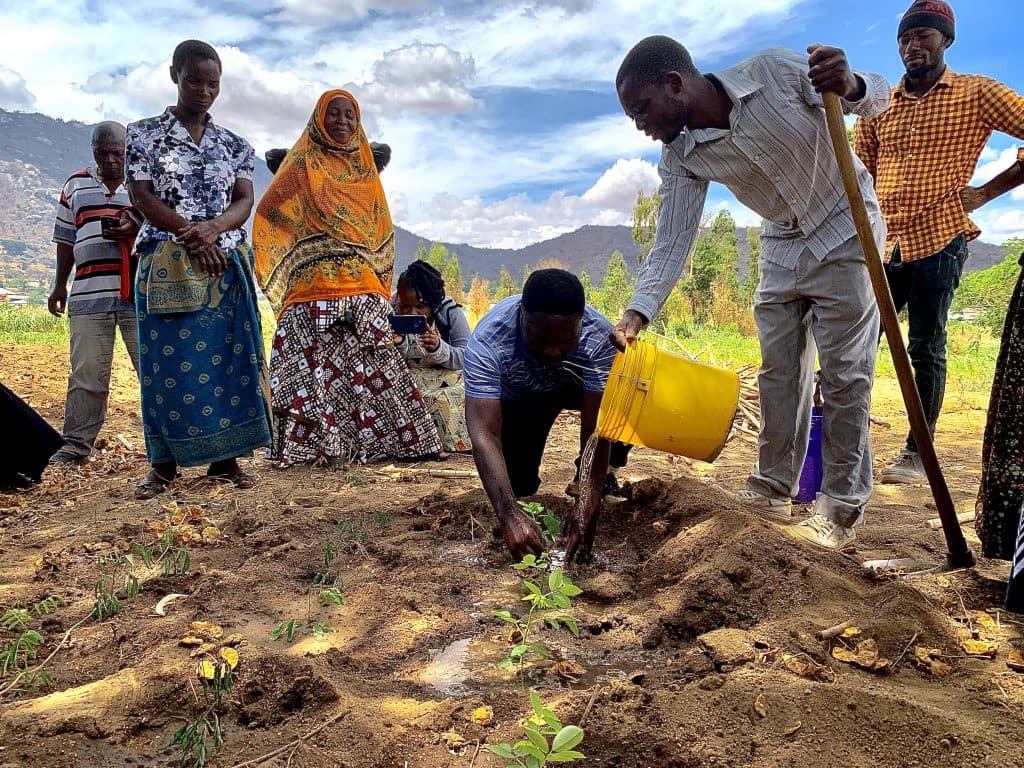
In Iringa it works with the Clinton Development Initiative. Together they train farmers and supply what they need to begin. Farmers receive a loan package that includes trees and vegetable seeds, tree sacks and a few tools.
The farmers do the planting themselves, on their own farms. Around 600 local farmers were due to take part.
The project on record
Ecologi no longer takes contributions for this project. It was planned to run from May 2022 to December 2023, with more than 1.8 million trees planted in that time. Ecologi now lists it as “previously funded”.
Ecologi’s timeline for this project has a single entry, from March 2023. It covers two months of planting in the rainy season. Ecologi said at the time that this was over two thirds of the trees planned. The page gives no final total, so we do not quote one.
- March 2023Ecologi reports that farmers in the Iringa project planted 600,000 trees in January 2023 and another 603,000 in February 2023.
1,203,000trees planted by farmers in January and February 2023, as reported by Ecologi in March 2023. It is the last count on the project page.
How the project is checked
We do not choose or run the projects ourselves. They are selected and monitored by Ecologi, and this project carries the “Nature Project Ecologi Approved” mark on its Ecologi page.
Ecologi keeps a public record of what each of its members has funded, so our contribution can be checked by anyone. The link is in the project details below.
What Printlogik has funded here
Through the Print A Tree Project, Printlogik orders have funded 280 trees in the forest gardens of Iringa. It is a small part of a large project, and we would rather say so plainly.
Because Ecologi no longer takes contributions for this project, that figure is our final count here. Every order we print still funds planting: the contribution is made for you through Ecologi and goes to the projects it is funding today.
How your order gets here
- You order printAny order, of any size. There is nothing to tick and nothing extra to pay.
- We make a contributionEach invoice triggers a contribution from Printlogik to Ecologi.
- Trees go in the groundEcologi funds projects like this one, and records what we have funded in public.
The UN global goals it supports
The United Nations has set 17 Sustainable Development Goals for a fairer, healthier planet by 2030. Ecologi records this project as supporting 10 of them.
- 1No poverty
- 2Zero hunger
- 3Good health and well-being
- 4Quality education
- 5Gender equality
- 8Decent work and economic growth
- 10Reduced inequalities
- 11Sustainable cities and communities
- 13Climate action
- 15Life on land
Where it is

Iringa, Tanzania · 7.8°S, 35.7°E
| Location | Iringa, Tanzania |
|---|---|
| Type of project | Forest gardens |
| Run by | Trees for the Future |
| Status | Previously funded through Ecologi. It was planned to run from May 2022 to December 2023 |
| Funded by Printlogik | 280 trees |
| Full record | See it on Ecologi |
Questions
Forest gardens in Tanzania, answered
Where is the project?
In Iringa, a region in the south of Tanzania that runs along the Udzungwa Mountains.
What is a forest garden?
A farm where trees are planted alongside crops. The trees protect and feed the soil, and give the farmer fruit, vegetables and timber to use or sell.
Who plants the trees?
Local farmers, on their own land. Around 600 farmers were due to take part, with training and supplies from Trees for the Future and the Clinton Development Initiative.
What kinds of trees are planted?
A mix of agroforestry trees, fruit trees and timber trees. Ecologi’s page does not list the species.
How many trees were planted?
The plan was for more than 1.8 million. The last count on Ecologi’s page is 1,203,000 trees planted in January and February 2023.
Is the project still running?
It was planned to end in December 2023. Ecologi lists it as previously funded and no longer takes contributions for it.
How does my print order help?
Every Printlogik order funds tree planting and carbon reduction through Ecologi, at no extra cost to you. Printlogik orders funded 280 trees at this project while it was open. New orders fund the projects Ecologi supports today.
More from the Print A Tree Project
Other projects your orders fund
You order print. We fund the planting.
Every Printlogik order adds to the Print A Tree Project, at no extra cost to you.